Blured is generally available: privacy-first social, rewritten
After 18 months of closed beta, 12,000 users and a full rewrite of the privacy model, Blured launches to the public — end-to-end encrypted, capability-based access control, no ads.

Blured started as a private-by-default social graph — an answer to the extractive defaults of the mainstream networks. It graduates out of closed beta today. The app has not changed its mind about the product it wants to be. It has changed its mind about how to get there.
What changed between beta and GA
Three rewrites. The privacy model moved from app-level ACLs to a formally-verified capability system — the kind of thing where an engineer can prove, not argue, who can see what. Sync became end-to-end encrypted by default. And the moderation pipeline is now a hybrid of on-device classifiers and a small community-run review panel.
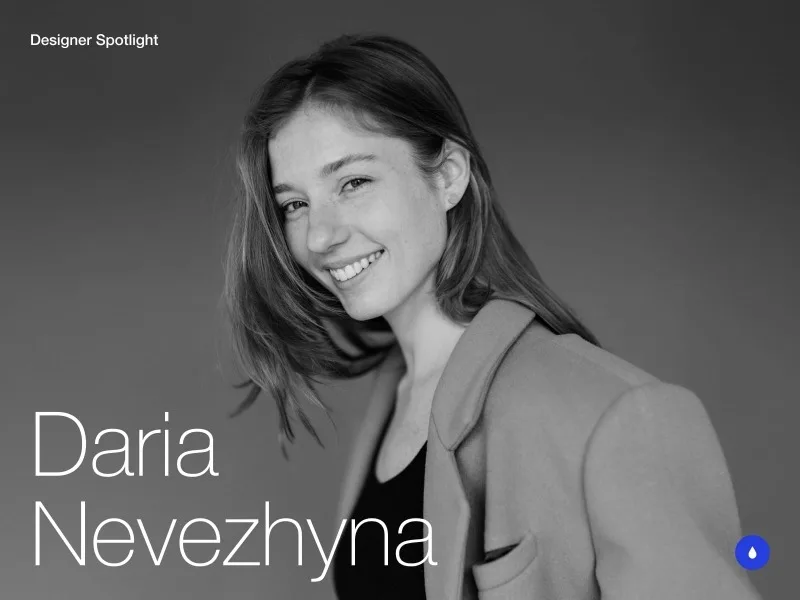
Capabilities made the hard questions answerable. Instead of tracing an ACL through five services, an engineer can point at the token that grants access and read what it allows.
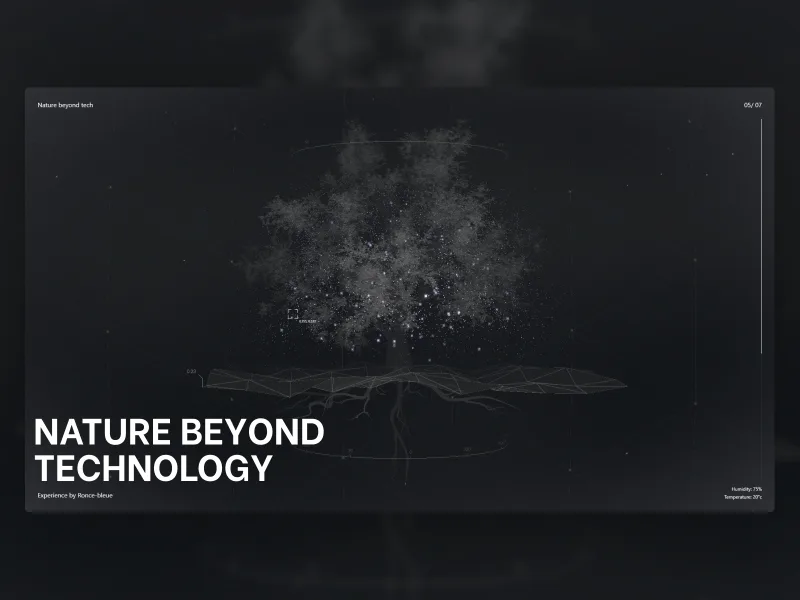
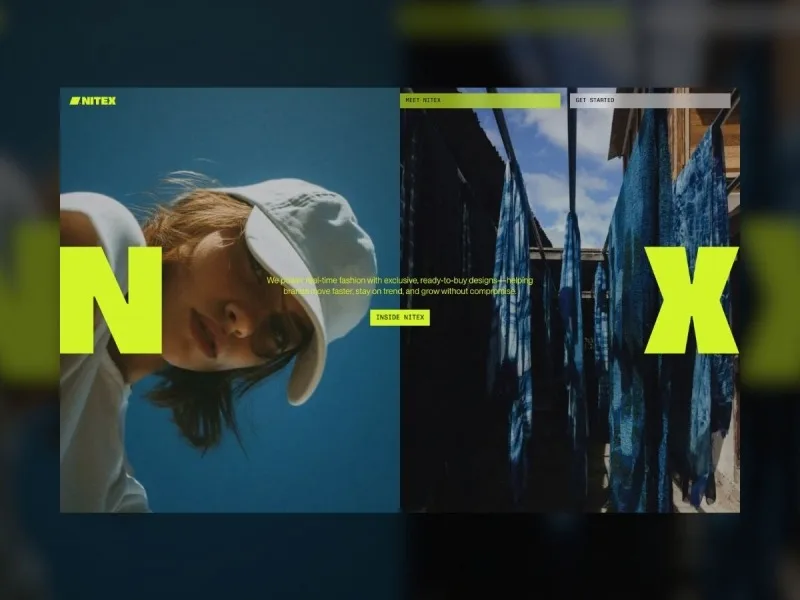
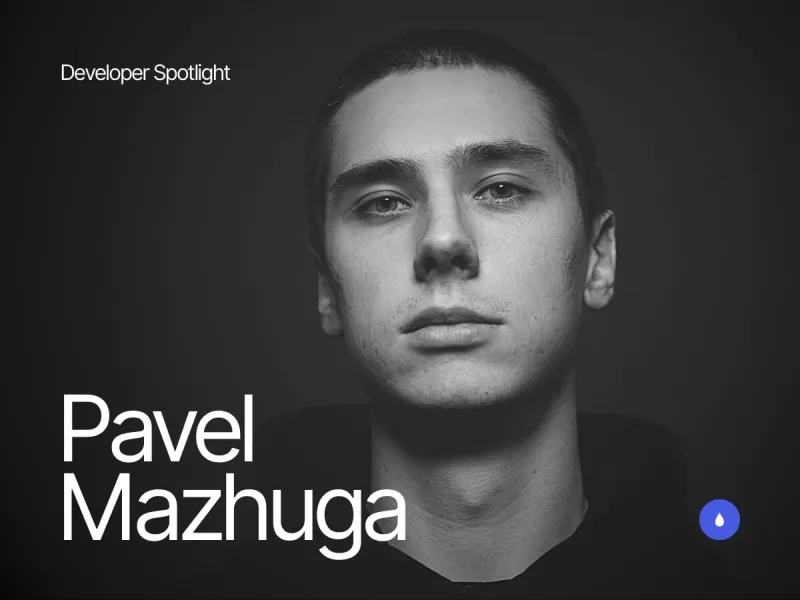
Eighteen months of that work does not photograph well. The reel below is the closest thing to it.
What the beta taught us about privacy defaults
Users did not want another "be careful what you post" lecture. They wanted a default where the boring thing was the safe thing. Most of our wins came from making private the cheapest action and public the deliberate one — the opposite of how mainstream networks are tuned.
Pricing and roadmap
Free for personal use, $4/mo for the pro tier with team spaces, custom domains and bring-your-own-storage. No ads, no SDK, no data export to third parties. Ever.
More builds from the shelf.
Same team, different problems. Recent cases in adjacent industries — each shipped with the senior people who own outcomes.

Tell us your task
Projects by type grow year over year
MVP, redesign, AI and support — cumulative
The studio profile across key axes
Speed, quality, transparency, engineering
Research, design and build overlap
Parallel streams — not a waterfall