Trywishboard case study: multiplayer collaboration without killing focus
How we turned a single-player mood-board tool into a real-time multiplayer workspace — and why the hardest part was deciding which interactions should not be collaborative at all.
Trywishboard came to us as a popular but lonely tool — designers loved it but used it alone. The brief was simple on paper: turn it into a multiplayer workspace. The real work was nothing like that.
What we shipped for real-time collaboration
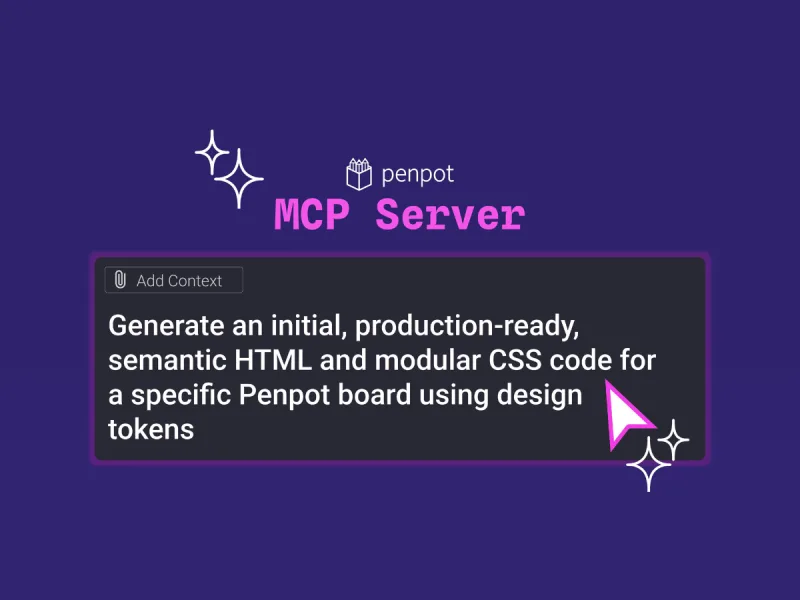
Real-time co-editing on the canvas, a comments layer with scoped mentions, a permission system that scales from pair-design to enterprise teams, and an export pipeline that preserves fidelity from the browser to PDF and PPT. Shipped in 11 weeks.
Those three weeks set the ceiling for everything after. Once cursors, mentions and permissions were solid, the rest of the roadmap stopped being architecture and started being product.
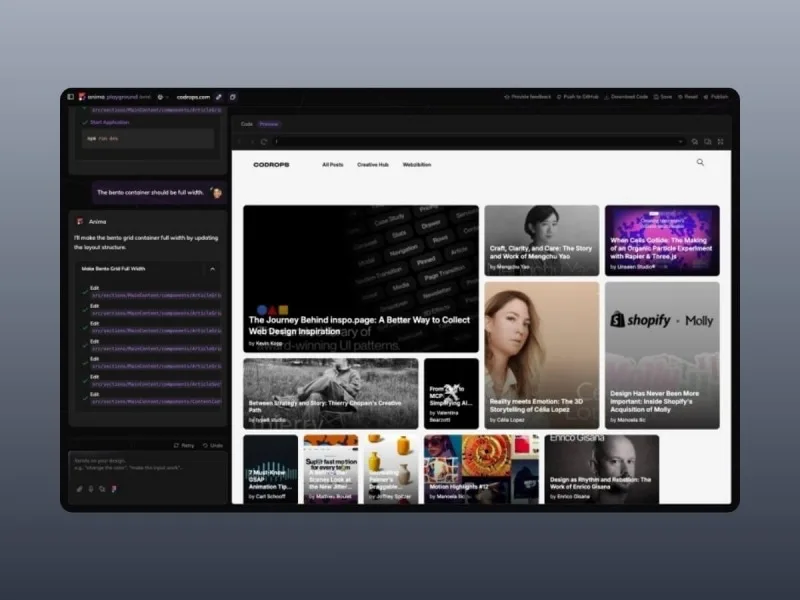
How the team worked through it
Eleven weeks, one canvas, and a long argument about what should not be shared at all. The reel below is the studio side of that.
The hardest product call: which interactions NOT to make multiplayer
The hard part was not the CRDT. It was deciding which interactions should be collaborative at all. Our first pass made everything multiplayer — and reduced solo productivity by 30% because users kept stopping to see who else was on the canvas. We rolled back aggressively and landed on a two-mode model: focus-mode is single-player by default.

Outcomes after launch
Weekly active teams (not individuals) tripled in the first quarter post-launch. Enterprise deals stuck in legal for months closed within six weeks of GA. The biggest driver — the focus/team mode split — came out of usability testing, not strategy.
More builds from the shelf.
Same team, different problems. Recent cases in adjacent industries — each shipped with the senior people who own outcomes.


Tell us your task
Projects by type grow year over year
MVP, redesign, AI and support — cumulative
The studio profile across key axes
Speed, quality, transparency, engineering
Research, design and build overlap
Parallel streams — not a waterfall